Archive

Article Series

Kennal Vale: Hidden woodland with more than meets the eye

Article and Photographs by Frankie Hackett

Along the backroads of Ponsanooth, a quaint Cornish village, is one of the most captivating and underrated walks in the entire county. It has all the traditional aspects of your favourite place to go for a walk, like canopied trees and dramatic glades, but Kennall Vale also hosts a very unique feature that places it leagues above your typical trail: gunpowder factories.
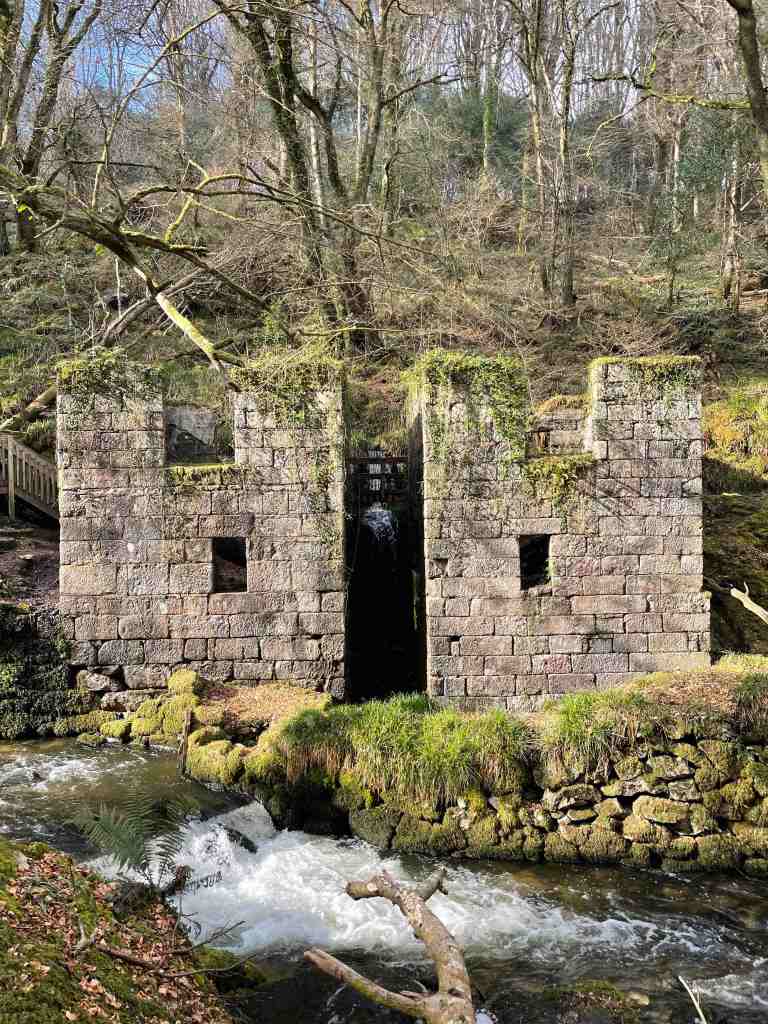
One of the old factory ruins adjacent to the Kennall River

Littering the woodlands, the remnants of historical industrial Britain sit adjacent to historical natural Britain. The gunpowder facilities, mostly made out of granite stone, tell stories of the workers who once laboured in the valley. The Kennall River is where most buildings settle next to, because the steep and fast flowing water provide an incredible amount of power for the water mills still visible today. These mills would power the entire operation needed to extract, compress, and manufacture the gunpowder.

The use of the river for power becomes more intriguing when remembering the fragility required to develop gunpowder. The alternative for the time, steam power, would require coal and fire. This would lead to certain disaster. Furthermore, the water on hand would make it easy to eliminate outbreaks of fire in the event of an emergency. Despite this, 13 major and deadly explosions were reported in a space of 70 years.

Huge cog mechanisms used to turn the mill

Further afield in the ruins are what appear to be the foundations of facilities used by the workers, such as a changing house where workers would change into clothes. Fireplaces, doorways, and windows are still in plain sight to explore. The preservation of the ruins makes Kennall Vale incredibly immersive. The hammering of the waterfalls contrasted against the huge metal cogs inserts you into a battlefield between nature and humanity. This narrative becomes layers deeper when thinking of the placement of where the woodland trees were planted and why.

While the woodland was present before the mine, the vale was not deforested to make space for the factories. Instead, the woodland was required to protect from potential explosions, taking brunt of the force from frequently reported accidents on-site. The trees were planted in key locations to mask most of the blast. While on the surface it may feel like nature is trying to reclaim itself, it appears this fight is more controlled than first thought. Even the river was shaped with leats and slats to control the flow and the direction of the water.

Slats used to shut the flow of water

The location of the factories was also picked due to its proximity to lucrative geological hotspots, this subsequently led most of the gunpowder produced to be shipped locally to the mines located in and around Cornwall. On the entrance to Kennall Vale is also an old granite quarry, now filled with water making a nice feature for local wildlife to inhabit. The granite mined from this quarry provided the building material required to build what was once 50 independent structures.

The Gunpowder company went under just before World War 1 in 1910, lasting for 100 years. The reason for its demise ties to a shift in technology that made gunpowder less valuable as well as the greater wave of the closure of the mines in Cornwall. In the century since, the area has become a nature reserve with free access year-round and since 1985 is owned by Cornwall Wildlife Trust. Some of the wildlife today include the Pipistrelle Bat and Dippers, friendly and fat little birds.
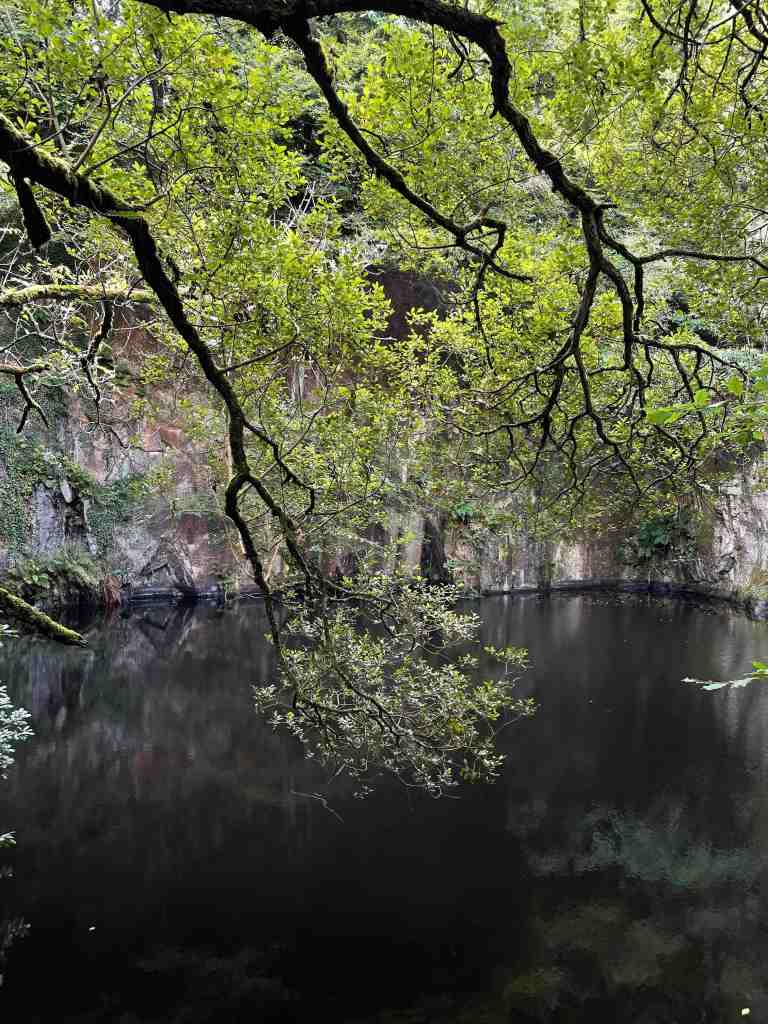
The quarry, now filled with water

Despite its location sounding very off the beaten track, it is easy to get to. Just a quick drive from Penryn, Truro or Redruth will take you to Ponsanooth, where it is best to park in the village, as the road by the entrance to Kennall Vale is not suitable for parking. A short walk up a hill will bring you to the entrance, boasting beautiful views of the valley before you envelop yourself into the history of the woodland.
Cafe Sci

Climate crisis on our doorstep?

This event has been postponed until after summer. Sign up to our mailing list to be informed of the new time and day once it is available.

Marine plastic pollution is one of the most visible environmental problems of our time – but has it made us miss the elephant in the room?

Climate crisis on our doorstep? | Claire Wallerstein image

About the talk

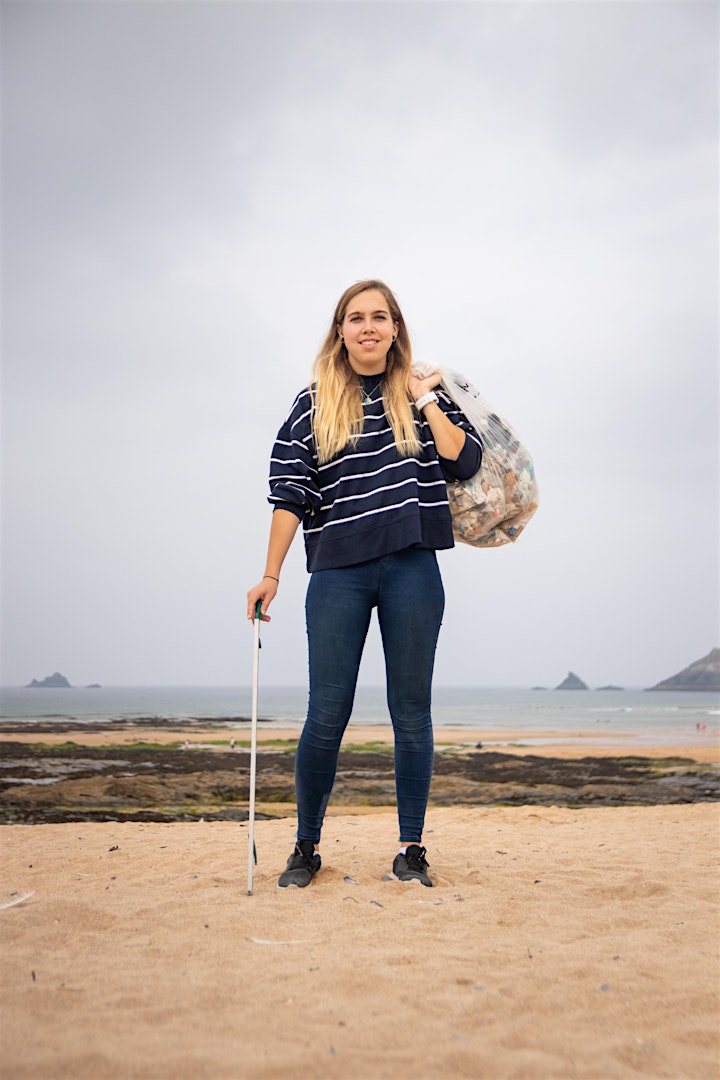
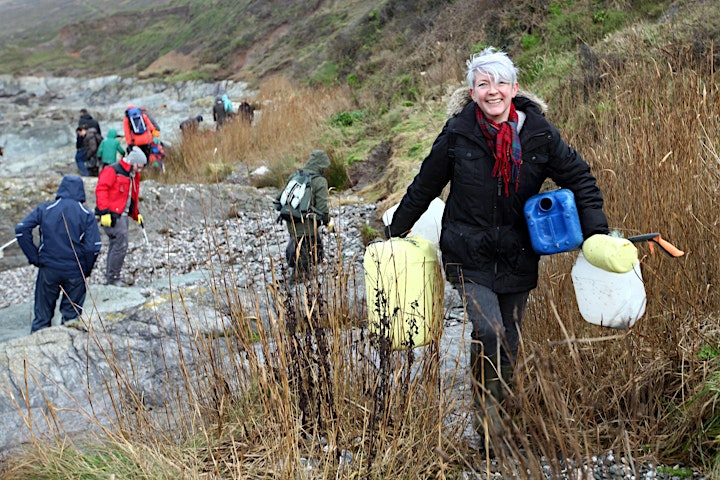
Claire spent many years running a Cornish beach cleaning group and campaigning about marine plastic.

However, over time she started to question whether the huge public focus on the very obvious issue of plastic pollution might mean we were failing to address a much bigger problem for the marine environment – climate change.

Climate crisis on our doorstep? | Claire Wallerstein image

About our speaker

Claire Wallerstein set up and for eight years ran an extremely active Cornish beach cleaning and marine plastic campaigning charity, and was the co-founder of the Cornish Plastic Pollution Coalition.

She now works as the producer for the charity Cornwall Climate Care, which is making a series of 30-minute documentaries about various climate-related topics, aiming to inspire community conversations and action in Cornwall.

Her previous professional background was in print and radio journalism, reporting from South East Asia and South America for the Guardian and BBC World Service, among others. She was also a press officer for the International Fund for Animal Welfare, and worked for many years as a translator in Spain.

Cafe Sci

Is the Weather Changing in Cornwall? | Kernow Weather Team

Wednesday, 18th May 2022. Register your interest via Eventbrite.

Is the Weather Changing in Cornwall?: Implications and Perspectives from the Kernow Weather Team

Is the Weather Changing in Cornwall? | Kernow Weather Team image

About the talk

Weather is one of the main talking points in life, if you’re meeting friends, family or business associates it’s always a talking point. “It’s too wet, too cold, most often in Cornwall too humid or windy” and then in the blink of an eye “it’s too hot!!” I think we are all guilty of making conversations out of the weather but how much do you understand about it? That’s something we at Kernow Weather Team want to change.

You may be wondering who we are. We were an idea thought up by three like minded people five years ago. Trying to find an accurate forecast was always difficult, with Cornwall’s unique peninsula position and geography it spawns microclimates. A general Southwest forecast often leaves the Cornish community puzzled. Before Kernow Weather Team’s launch most people just looked out of the window and guessed what the day will do from what they could see. Now they have a knowledgeable and experienced team to rely on. Over five years the team has grown, allowing us to be able to share that knowledge, making it understandable to everyone. We explain the science behind it from “What is rain?” to “How heavy are big cumulonimbus thunderclouds?”, in a way that the everyday person can grasp and not be afraid to ask for clarification. We have kept our ethos, in keeping the community as part of the team, we don’t want to be the untouchables and many followers feel we are their family. We are unique offering support and advice from everyday through to many weather events often over 24 or more hours. Dave is our lead forecaster and qualified meteorologist. Among his other interests, he is currently studying volcanology and seismology. Somewhere in his busy schedule he wishes to fit in a little tornado and hurricane chasing too.

We have been monitoring how the weather is changing here in Cornwall and the Isles of Scilly as well as the rest of the world. Yes, it’s changing rapidly and what was an isolated and rare weather event is now becoming more common. What will happen to Cornwall when the sea warms up just by a few degrees? It’s a frightening thought – are we prepared?

Thankfully, the use of satellites to help with weather forecasting greatly benefits not just tracking weather systems, it also helps us predict and monitor changes closely.

Is the Weather Changing in Cornwall? | Kernow Weather Team image
CSC excursion

AK Wildlife Cruise

with Emily Stevenson of Beach Guardian and Dr. Roger Wood (Cornwall Science Community)

Sunday, 3rd July 2022; 11am-3pm (approximately). Cruise leaves from and returns to Prince of Wales Pier, Falmouth. See end of post for booking details.

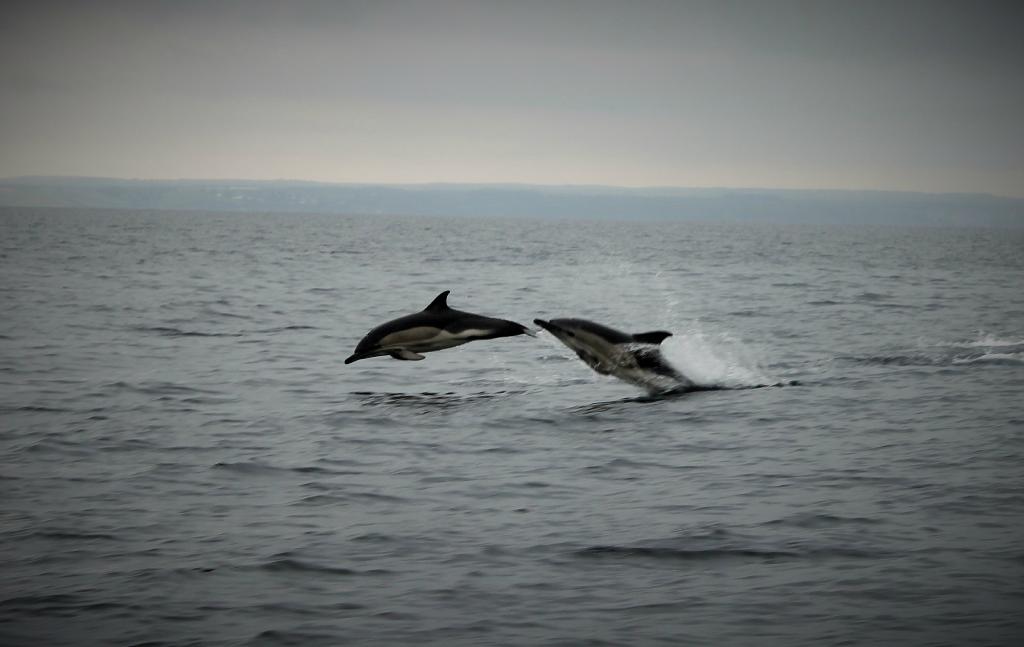
AKWC will strive to make your day enjoyable by helping you get to know the beautiful animals in our region and engage with Cornwall’s wonderful marine environment. Join us in search of some of the fantastic marine wildlife to be found in Falmouth Bay, such as seabirds, dolphins, seals and basking sharks!

These 4 hour (minimum) wildlife cruises are a superb way to see the spectacular coastline and surrounding waters, and are popular with all ages.

Image courtesy AKWC

You will spend your trip exploring the southern coast of Cornwall as we cruise under the impressive granite cliffs, and search for wild animals which inhabit this region of the British Isles, such as huge basking sharks, harbour porpoises, bottlenose dolphins, grey seals and a diversity of coastal birds. We will then spend some time offshore in search of pelagic species such as common dolphins, minke whales and storm petrels.

If for any reason the weather becomes too rough to leave the Carrick Roads and head offshore, we will still continue with the trip but head back up the Carrick Roads and explore our wonderful and wildlife rich Fal estuary. Please bring warm clothes and full waterproofsBinoculars recommended.

We shall be joined by Emily Stevenson, who has given two superb recent talks for the Cornwall Science Community and is the founder of Beach Guardian.

Emily will be talking with us about primary and second microplastics, and, as part of the cruise, will be collecting microplastics from the ocean using wildlife-friendly methods.

Emily Stevenson on microplastics for CSC

The skipper, Captain Keith, has vast experience of working in the private boat chartering business over the many years of his long-standing career. Throughout this time, he has worked closely with such people as Dame Ellen MacArthur, working as her towboat captain during her record-breaking round the world trip. He has also worked alongside a selected team in the “Whitbread Round the World Race”, plus several other cross-Atlantic challenges that finished off at the Lizard Point in Cornwall. Keith is a dedicated, professional wildlife guide, who, in the past, has worked with “The Really Wild Show” and their presenter, Michaela Strachan, filming basking sharks.

Furthermore, he has carried out survey work for the Whale and Dolphin Conservation Society (WDCS) and the RSPB. AK Wildlife Cruises were the very first operator in the UK to endorse and sign up to the nationally accredited “WiSe” scheme, as well as being endorsed by the SeaWatch Foundation and the WDCS, ensuring sensitive interaction with all the marine mammals and birds observed during their “seafari” excursions.

Image courtesy AK Wildlife Cruises

Please note, AK Wildlife Cruises and Cornwall Science Community cannot guarantee any specific wildlife sightings.

The boat, Free Spirit is a “Flybridge Aquabell Sports Cruiser”, with an indoor seating area with modern toilet facilities and open outdoor seating provided for all guests, so you can enjoy a truly comfortable journey as we explore the beautiful coastline in search of wildlife. Free Spirit has also recently been fitted with a brand-new awning to provide extra shelter from the weather.

AK Wildlife Cruises are fully insured and coded as required by the MCA, and with first aid trained staff and full safety equipment on board, you can sit back and enjoy the trip as all is taken care for you. The boat is licensed to carry up to twelve guests plus two crew members. Keeping parties intimate gives you more space and better chance to speak with the fantastically knowledgeable crew.

The reduced cost, for this Cornwall Science Community Wildlife Cruise, will be £58 per person. There are a maximum of 9 places available. The cruise will depart from Falmouth Premier Marina, North Parade, Falmouth. TR11 2TD

Bookings and payment will need to be made directly with AK Wildlife Cruises. Please e-mail info@akwildlifecruises.co.uk or call Georgia on 07553 606 838.

Further details may be found at https://www.akwildlifecruises.co.uk/ and https://www.akwildlifecruises.co.uk/trip-info/

Dr. Roger Wood, the Cornwall Science Community’s Project Officer, will also be on the cruise. If you would like to let Roger know that you have booked a place, not least as a means of having a ‘friendly face’ looking out for you at the Marina, please feel free to e-mail him at dwood@brookes.ac.uk.

CSC excursion

Flicka Donkey Sanctuary Talk & Tour

Saturday, 7th May 2022. Book your tickets HERE.

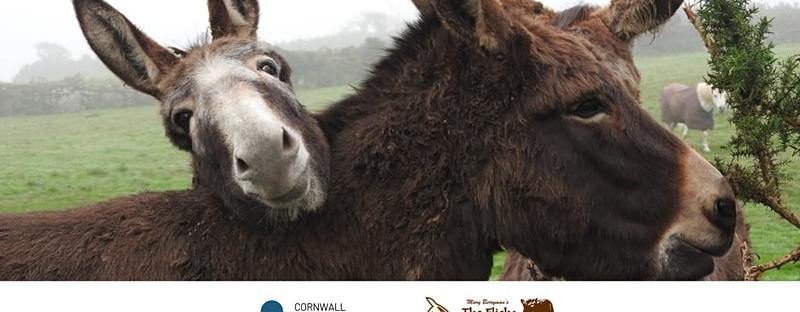
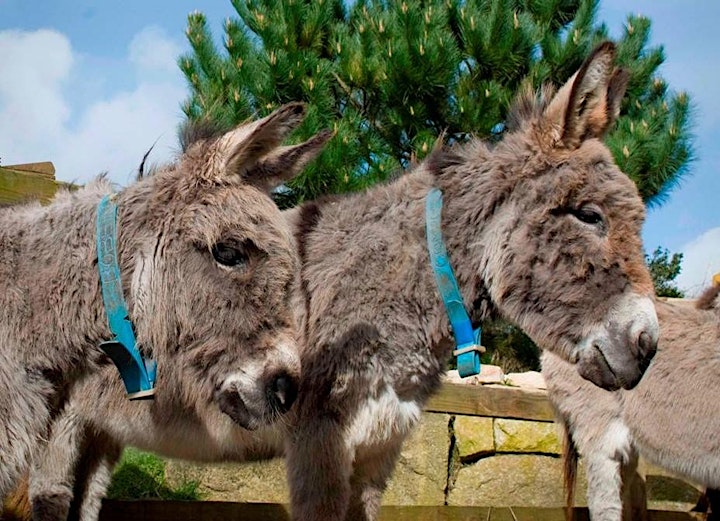
Join us for a talk and a tour at the Flicka Donkey Sanctuary.

About this event


		Flicka Donkey Sanctuary Talk & Tour image

About the day

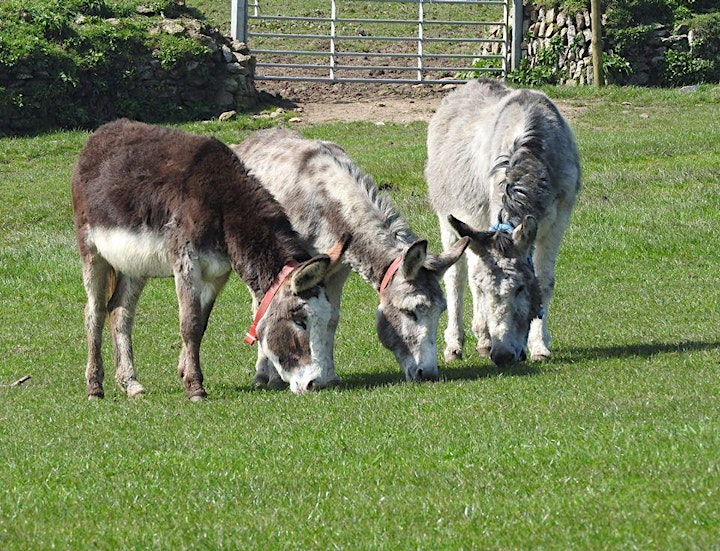
Please join us at Flicka at 13:50, car parking is available on site. At 2pm the Flicka team will introduce us to some of the donkeys at the sanctuary and share their stories about both the individuals and the sanctuary.

At the sanctuary, donkeys have been rescued from conditions of abuse and neglect. The sanctuary provides them with a safe and caring home for life.

You can find out more about The Flicka Donkey Sanctuary on their website: https://www.flickafoundation.org.uk/

All images used on this page are from The Flicka Foundation website.


		Flicka Donkey Sanctuary Talk & Tour image

Donations

All proceeds of this event will go to The Flicka Donkey Sanctuary.

Any additional donations can be made to the Sanctuary on the day.

Keep an eye out for more events on our website: www.cornwallsciencecommunity.org

If you have any questions please contact us at: info@cornwallsciencecommunity.org

Cafe Sci

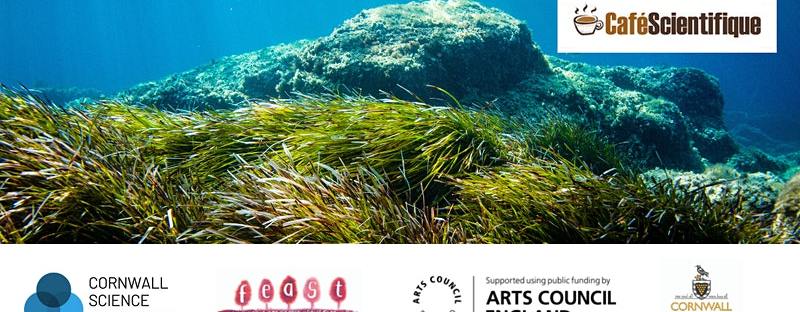
The Coastal Blue-Green. Why are seagrass and kelp forests so important?

13th April 2022, 7:30pm. Register your interest HERE.

Dr Ian Hendy will be talking to us about the importance of seagrass and kelp forests around the world.

About the talk

Coastal and near-shore marine vegetated ecosystems are essential for life on Earth. Ecosystems including mangrove forests, saltmarsh, seagrass beds and kelp forests are incredible carbon sinks. These habitats drawdown huge amounts of carbon from the atmosphere, and deliver an amazing list of ecosystem services including (1) mitigation of climate change, (2) improving water quality, (3) significant enhancement to fishery biomass, (4) improved nursery function, and (5) deliver food provisioning for many communities. However, we are losing these essential ecosystems rapidly. These losses magnify issues associated with climate change, and the increase of habitat loss only serves to exacerbate the sixth mass extinction. We have seen between 80 to 90 % loss of kelp forests spanning Canada to Norway and at the current rate of loss, the UK will have zero kelp forests by the end of this century – resulting in more than a 90 % loss of marine wildlife. In addition, we have lost more than 90% of our seagrass habitats in the UK. Find out how we aim to bring back these crucial ecosystems, and what lessons can we learn.


		The Coastal Blue-Green. Why are seagrass and kelp forests so important? image

About our speaker – Dr. Ian Hendy

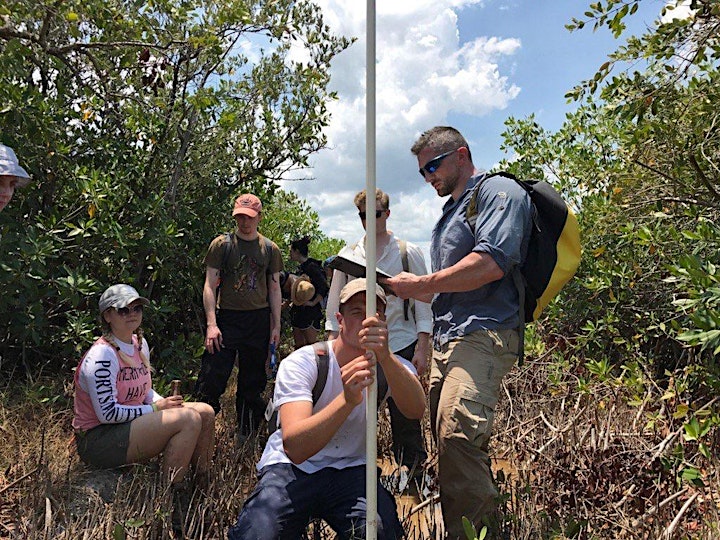
Dr. Ian Hendy is a Senior Lecturer and Researcher in Coastal Ecosystems at the University of Portsmouth. Ian is an editor and author of the Seagrass Restoration Handbook: UK and Ireland. His most recent research has been based in the mangrove forests of Southeast Sulawesi, Indonesia, with interests focused upon the essential role of ecosystem engineers, the factors that influence biodiversity, the recycling of carbon in coastal ecosystems and the enhancement of, and conservation of marine fisheries and MPAs. As a professional marine conservation ecologist, Ian’s research investigates and seeks to understand how human interactions, environmental variation and climate change are responsible for altering biodiversity, biomass and productivity. Ian’s aim is to facilitate the rewilding of marine ecosystems in an effort to restore the natural ecology, biodiversity and energy flows – focussing on the structure and function of ecosystems. In particular, Ian looks for unusual patterns within his data, and strives to understand reasons driving diminishing aquatic ecosystems and how best to improve, restore and manage those impacts.

Cafe Sci

Microplastics as vectors of antimicrobial resistance in aquatic systems

Wednesday, 16th February 2022 7:30pm.

Emily Stevenson will be talking to us about her research relating to antimicrobial resistance in relation to microplastics.

About the talk

Emily’s research aims to investigate whether microplastics are important platforms for the growth, enrichment and dissemination of AMR biofilms, and whether there are associated ecological implications of microplastics, antimicrobials and AMR on the gut microbiota of marine organisms.


		Microplastics as vectors of antimicrobial resistance in aquatic systems image

About our speaker – Emily Stevenson

Emily Stevenson has recently started a PhD investigating microplastics as vectors for antimicrobial resistance in aquatic systems, under the supervision of Dr Aimee Murray and Professor Angus Buckling at the University of Exeter, and Professor Pennie Lindeque and Dr Matthew Cole at Plymouth Marine Laboratory. This builds on research Emily carried out during her Masters degree in 2019/20 in which she researched the role of microplastics in the dissemination of potentially pathogenic or antibiotic resistant bacteria.

Between completing her Masters and beginning her PhD, Emily worked on a project with the University of Exeter’s Medical School, MRC Centre for Medical Mycology and the Environment Agency, investigating antifungal resistance in the environment, and she has also continued to research antimicrobial resistance in the environment as a research technician for Dr Aimee Murray, working on Dr Murray’s ‘SELECT method’.

Emily is also actively engaged in public engagement and policy-influencing: in 2021, she joined the official youth engagement group of the G7 on the ‘climate and environment policy track’, ensuring that the environmental policy priorities of the youth (those aged 18-30) are heard and considered at the highest level of international decision making.

Finally, Emily is the co-founder of Cornwall based conservation NGO, Beach Guardian. Beach Guardian aims to empower communities to tackle plastic waste, and addresses critical environmental issues at policy, industry, education, and individual levels. Since 2017, Beach Guardian has engaged with every primary & secondary school and college in Cornwall and worked with some of the world’s largest companies, to help them reduce their reliance on plastics, such as PepsiCo and Nissan. Through this work, Emily has been recognised by the British Prime Minister with a ‘Point of Light’ award and was awarded the highest accolade a young person can achieve for social action and humanitarian efforts: the Diana Award.

Cafe Sci

Conserving Amazing Apes and Cryptic Cats: Tales from Indonesian Borneo

Wednesday, 17th November 2021 at 6pm. Register your interest HERE.

A virtual talk by Dr Susan Cheyne, co-director of Borneo Nature Foundation.

About this event

Dr Susan Cheyne has worked in South East Asia since 1997 and in Indonesia since 2002. She received her PhD from the University of Cambridge on primate ecology and conservation looking into the illegal pet trade of gibbons and studying the rehabilitation and reintroduction successes of these threatened apes. As a co-director of Borneo Nature Foundation International, she leads a team working on the conservation of primates and wild cats using camera trap technology to understand the movement, distribution and conservation status of these threatened cats.

How to Register

This event has been organised in collaboration with and is hosted by the Royal Society of Biology: Devon and Cornwall Branch.

For this event only, please register through the RSB website here.
The event is free to attend, although you will need to register for an RSB account in order to sign up. Please note that you will receive a Zoom link to join the event immediately before the talk.
Please get in touch if you have any issues or questions about registration.

Cafe Sci

Our Iconic Seals – Think Seal! | Sue Sayer

A recording of this talk is now available on Youtube.

Sue Sayer from the Cornwall Seal Group Research Trust will be talking to us about wild seal behaviour and what we can do for them.


		Our Iconic Seals - Think Seal! | Sue Sayer image

About the talk

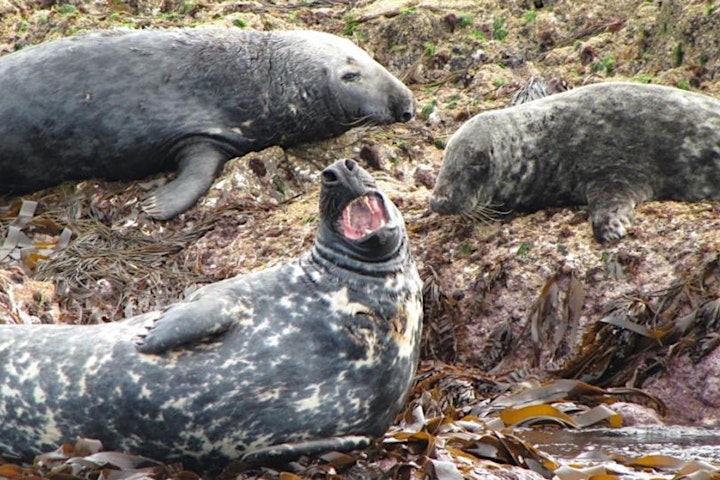
This brand-new talk is aimed at sharing observations of natural wild seal behaviour gathered over two decades. If we begin to imagine what it might be like to be a seal, we can better appreciate what seals need from us. Beautifully illustrated with video content, discover the links seals make between sea and land, their main behavioural drivers and how their world is changing. We end with an optimistic plan for the future, to ensure this wild marine heritage species thrives for coming generations to smile about as well.

The talk will be given by Sue Sayer, founder of the Cornwall Seal Group Research Trust The Trust is a multi award winning, evidence-based conservation charity passionately protecting Cornwall’s precious marine species and their environment for future generations to enjoy.

The talk will be 45 minutes long with a Q&A following afterwards.


		Our Iconic Seals - Think Seal! | Sue Sayer image

About our speaker – Sue Sayer

Founder of the Cornwall Seal Group Research Trust, Sue Sayer, is an internationally renowned researcher and author. Over 20 years, she has spent thousands of hours observing seals in the wild from land and at sea in Cornwall. To Sue there is no such thing as an average seal. Each one looks different, has a unique personality, range of habits and migration route around the Celtic Sea! Sue’s love for seals shines through as she talks about seals in her own unique and animated way.

Article Series

Why Microplastics are not a Micro Problem

by Katie Trahair-Davies

Walk along any beach in Cornwall and if you look close enough you will discover tiny plastic pellets hidden among the sand. Commonly known as microplastics, these pellets are wreaking havoc in our oceans. They are a silent killer that is polluting and causing irreversible damage to our oceans and planet. 

What Are Microplastics?

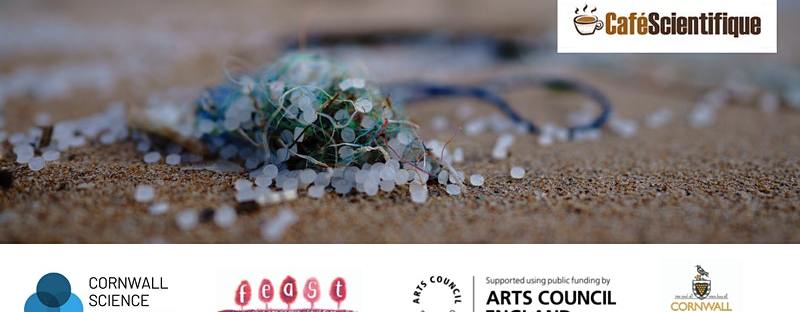
Microplastics’ is a general definition for any tiny piece of plastic less than five millimetres (0.2 inches) in diameter. They come in many different forms, but the most common types that can be found on the beaches today include:

  • Microbeads: tiny plastic particles purposefully added to cosmetic or hygiene products
  • Nurdles: ‘small plastic pellets about the size of a lentil’ which are produced for the purpose of melting and moulding into plastic products.
  • Secondary microplastics: pellets that start as larger plastic items but are gradually worn down by external factors (eg: bright sunlight or constant battering by waves) until they become individual fragments of plastic.

The origins of these microplastics washing up on our shores are usually everyday activities undertaken by all of us, such as showering or using a plastic bottle. Many popular cosmetic brands take advantage of the exfoliating properties offered by tiny particles of plastics like polyethylene, polystyrene or polypropylene, and can pack over 330,000 of these microbeads into a single tube of their products. Whilst this statistic is disturbing in its own right, it is the knowledge that one shower using these products can send up to 100,000 of the tiny plastic pieces drown the drain that truly illustrates how much each person could potentially be contributing to this rapidly escalating crisis.

Their Effects On Animal And Human Health

Once in the sea, microplastics affect everything in the oceanic ecosystem- both zooplankton and larger sea animals mistake the tiny pieces of plastics for other sea life and ingest them. Although it is easy for some people to remain unaware of this part of the problem because it doesn’t have an impact on their daily life, once the negative impacts start to appear along our coastlines it becomes impossible to ignore. The microplastic problem has quickly evolved into a global issue and nowhere is exempt from its affects, not even Cornwall.

Microplastics is an issue for every environment, every country, and every society

Emily Stevenson, Beach Guardian

In 2019, it was discovered that in a study of 50 marine mammals found in British waters, every single animal had evidence of microplastics in their digestive system. Last year the University of Exeter conducted similar research on demersal sharks living off the coast of Cornwall and found that 67% of the 46 sharks studied contained microplastics and other man-made fibres. The plastics the sharks had ingested were almost exclusively microfibres- suspected to originate from face masks and textiles. This being only one example of how microplastics affect Cornish Sea life, it is reasonable to assume that many more species along the county’s coast are accidentally ingesting microplastics too. Furthermore, the sad fact is that these pollutants do not sit inert within the animals. Scientists are beginning to discover that microplastics are changing the ways animals fundamentally function– with evidence that these plastics alter their feeding behaviour by decreasing hunger for actual food and blocking their digestive tracts- to name but two of the serious consequences that can occur.

As more shocking statistics are released about microplastics,it is increasingly apparent that their impact is not limited to wildlife, but that they affect the human species too. The true danger of microplastics is that- uniquely from other larger forms of plastics- they have the ability to make their way into our food chain largely unnoticed. Despite this, many people remain unaware that this is occurring and, more worryingly still, there is limited research on the effects it may have on human health.

The Problem In Cornwall And Beyond

This is not a problem that Cornwall is exempt from. Historically South West Water has used toxic biobeads as a way of cleaning water, and this has proven to be dangerous to the local environment. Over 10 years ago a spill at SWW’s treatment centre outside of Truro led to over one billion biobeads being spilt into the Fall estuary. There is now evidence that these same biobeads have entered local food chains: an investigation lead by the University of Plymouth discovered that when looking at the digestive matters of a gull found downstream of the Estuary, almost half of the contents found were the biobeads earlier discovered in the surrounding waters. It is not a huge leap of the imagination to assume that these same beads found in local wildlife are already in our food and water.

Despite the UK government banning the production and use of these plastics for cosmetic or hygiene products in 2018, there is yet to be any slowing of these beads appearing on our beaches and in the ocean. Whilst the ban was a huge step in the right direction, the influx of microplastics will only start to slow when a larger proportion of countries enact bans on the production and usage of this type of plastic. Emily Stevenson of environmental charity Beach Guardian said that “People may be aware that there is now a ban, but they weren’t necessarily aware why that ban came into force and what products had the microplastics in”.

She continued: “All of our bodies are getting polluted with microplastics, the air that we breath is polluted with microplastics, the water that we drink is polluted with microplastics, and yet there are no visual tools for us to communicate this”. It is this invisibility that is making the spread of microplastics so harmful and also exacerbating ignorance. Although we are already swimming amongst them when we take a dip in the sea, walking on them hidden in the sand and they pollute almost every aspect of our lives, the majority of people remain unaware of this, and for those who have more knowledge of the issue the size of the pollutants can lead to a case of ‘out of sight, out of mind’.

With microplastics quickly becoming one of the main causes of plastic pollution in the oceanic world, it is imperative that people very quickly become more educated about this issue, how they might be inadvertently contributing to it and what we all need to do to address it. However, this is too big a problem for the public to tackle by itself unless there is increased backing from governments all over the world. A global issue like this calls for global awareness and a united global response- and fast.