Cafe Sci

The Case for Methane Capture | Net Zero Methane Hub

Thursday, 10th October 2024 at the Poly, Falmouth

In-person attendance via the Poly website.

Virtual attendance via Eventbrite.

This talk will explore the innovative Net Zero Methane Hub initiative in Cornwall, focusing on utilising methane emissions from dairy farms.

About the talk

FThis talk will explore the innovative Net Zero Methane Hub initiative in Cornwall, focusing on utilising methane emissions from the region’s dairy farms to produce sustainable energy. Methane, a potent greenhouse gas, is a major contributor to climate change, and dairy farming is one of the largest sources of methane emissions globally. By capturing methane from manure and other waste products, Cornwall’s farms can transform this harmful gas into renewable energy, reducing emissions while providing a new energy source for local communities.

In the UK, methane, nitrous oxide, and fluorinated gases are the largest contributors to global warming after CO2. Methane is a powerful greenhouse gas, with a global warming potential 86 times that of CO2 over a 20 year period. The importance of reducing methane emissions to mitigate climate change was recognised at COP26 where the Global Methane Pledge was launched.

With the government’s commitment to achieving net zero by 2050, initiatives like the Cornwall Methane Hub are critical. They showcase how local action, particularly in dairy-heavy regions like Cornwall, can contribute to national and global methane reduction efforts, turning environmental challenges into opportunities for renewable energy development.

About the speaker

The Net Zero Methane Hub is an SPF-funded project coordinated by IFEAA. IFEAA’s expertise extends to a variety of sectors, including Advanced Propulsion Systems, Cryogenics, Medical devices, electro-magnetics, cyber risk analysis Farming, Politics, our work includes working with local organisations such as South West Water, Climate-I and Bennamann.

Methane Hub Aims:

• Initiate a supply chain of net zero methane producers and users sharing the latest research and showcasing methane capture technology.

• Identify innovation and research needs for methane capture and use technology, growing new research and development collaborations.

• Grow finance opportunities for methane capture and use technology, linking with the finance community to encourage investment.

• Support skills development by highlighting higher and further education needs. Visit local schools and engage with communities to grow understanding of the approach.

• Share Hub outcomes with local and national policymakers to support evidence-based policy, host a Net Zero Methane Hub Conference in Cornwall.

Cafe Sci

Bio-Semiotics Part Two | Robin Johnson

Thursday, 16th May 2024 at 6pm.

Tickets available for attendance

In part two of his exploration of this paradigmatic shift in the life sciences, Robin will be delving deeper into what bio-semiotics all may mean for the ways we can understand ourselves.

About the talk

You can find Robin’s January talk on bio-semiotics on YouTube.

Robin will continue his exploration of the potential that there may be in a relatively new approach in contemporary biology that offers a fresh and radically different account of the nature of our humanity than the one we have seen from 20th Century evolutionary psychology and sociobiology.

We will have a short reprise of the concept of the Umwelt, as a novel perspective on subjective, ‘lived’ experience, and of the new paradigm of bio-semiotics. From here, Robin will be asking; what does this new view of biology mean for the social sciences?

If time allows, we will come back to the growing understanding of psychological and emotional trauma and the dynamics of social exclusion; and the work of many creative services in turning lives around.

About the speaker

Robin Johnson was a psychiatric social worker, then a specialist advisor on mental health and housing issues with the Department of Health and later a journal editor and a visiting fellow at several universities. Robin’s work included setting up PIElink, a platform to connect people addressing the psychological and emotional issues that go with homelessness and other complex psychological and emotional needs. He has recently published two books on these ‘Psychologically Informed Environments’.

Cafe Sci

The Invasive Hornet Vespa velutina: Why the concern, and what can be done?

Thursday, 21st September 2023 at 6pm.

Tickets available for attendance

Dr Thomas O’Shea-Wheller tells us how the invasive hornet disrupts honey bee colonies and how we can prevent it becoming established in the UK.

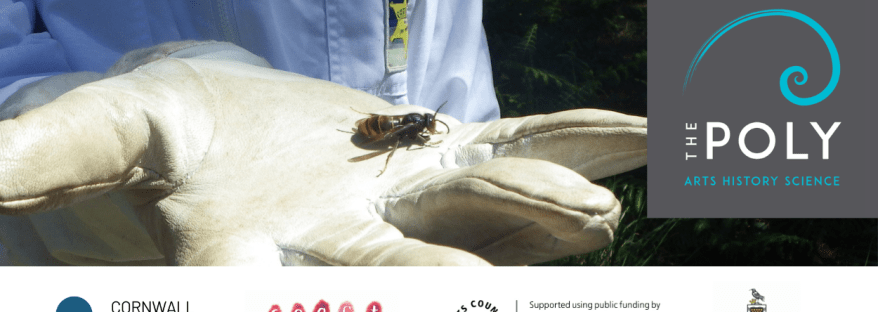
The invasive Asian hornet (Vespa velutina nigrithorax) has spread rapidly across parts of Europe and East Asia in the last two decades, with concordant effects upon beekeeping, agriculture, and biodiversity. The hornets are effective predators of a variety of native pollinators, and will actively target colonies of honey bees (Apis mellifera), leading to disruption of the foraging process. While there have been concerted attempts to control the expanding invasion front, these have been largely unsuccessful, due to the difficulty of detecting initial incursions into new regions. In this talk, Thomas will outline recent research aiming to address this issue, and summarise the ongoing efforts to prevent the hornets’ establishment in the UK. Additionally, Thomas will summarise how the public can assist in these efforts, and hence contribute to the UK’s pre-emptive exclusion strategy.

Thomas is a Research Fellow based at the University of Exeter’s Environment and Sustainability Institute (ESI). His work investigates the rules underpinning collective behaviour, colony functioning, and self-organisation within social insects. A central aim of this research is to leverage complex systems—specifically those found in insect colonies—to solve real-world challenges in biology. To achieve this, he utilises ants, bees, hornets, and termites as models to explore network dynamics, interindividual heterogeneity, and social immunity. Thomas’s current research includes projects pertaining to honey bee health and epidemiology, automated tracking of bumble bee colonies, and the detection of invasive species via artificial intelligence.

Cafe Sci

Climate Crisis on our Doorstep?

Thursday, 20th April 2023 at 6pm. At the Poly, Falmouth or via Zoom. Buy your in-person tickets on the Poly website or register for virtual attendance via Eventbrite.

Marine plastic pollution is one of the most visible environmental problems of our time – but has it made us miss the elephant in the room?

Introducing hybrid café sci: Join us in-person at the Poly, Falmouth – or dial in on-the-day via Zoom (link will be circulated via our mailing list).

In-person tickets are £2.50 plus fees and Poly fund payment to cover the Poly’s expenses and can be purchased on their website.

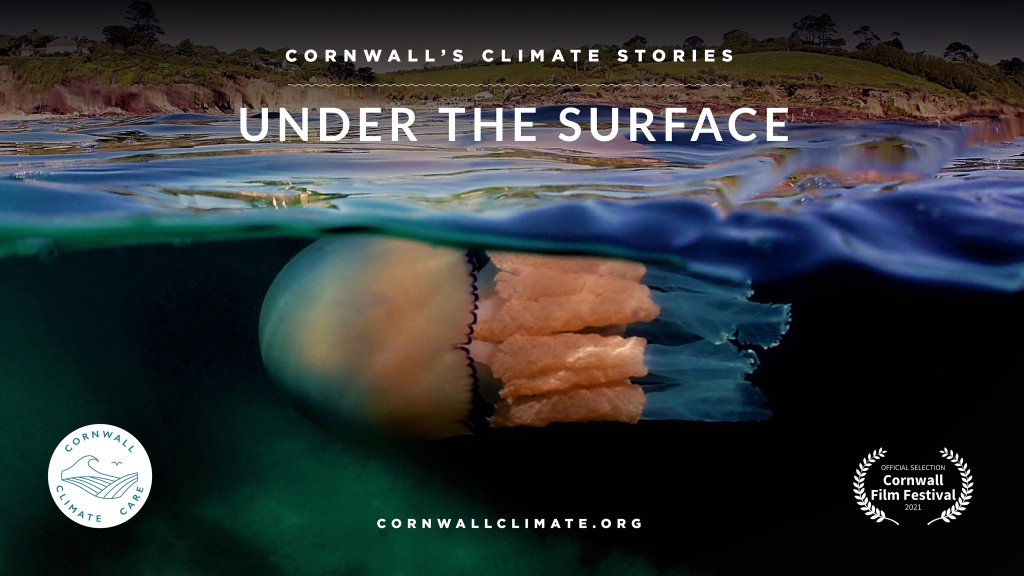
Cornwall Science Community hosts a Café Sci event with Claire Wallerstein. Claire will be presenting her Cornwall Climate Care film: Under the Surface.

Claire spent many years running a Cornish beach cleaning group and campaigning about marine plastic.

However, over time she started to question whether the huge public focus on the very obvious issue of plastic pollution might mean we were failing to address a much bigger problem for the marine environment – climate change.

Claire Wallerstein set up and for eight years ran an extremely active Cornish beach cleaning and marine plastic campaigning charity, and was the co-founder of the Cornish Plastic Pollution Coalition.

She now works as the producer for the charity Cornwall Climate Care, which is making a series of 30-minute documentaries about various climate-related topics, aiming to inspire community conversations and action in Cornwall.

Her previous professional background was in print and radio journalism, reporting from South East Asia and South America for the Guardian and BBC World Service, among others. She was also a press officer for the International Fund for Animal Welfare, and worked for many years as a translator in Spain.

CSC excursion

Flicka Donkey Sanctuary Talk & Tour

Saturday, 7th May 2022. Book your tickets HERE.

Join us for a talk and a tour at the Flicka Donkey Sanctuary.

About this event


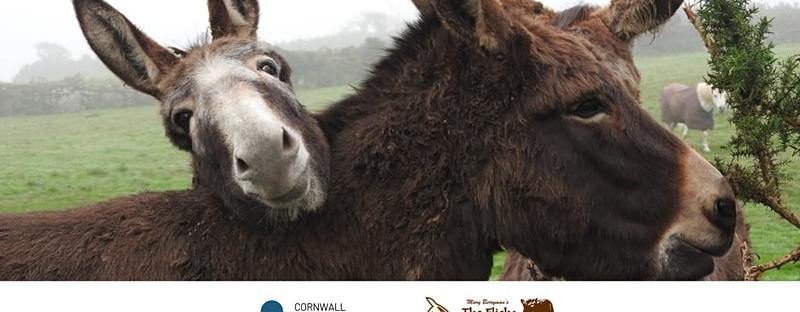
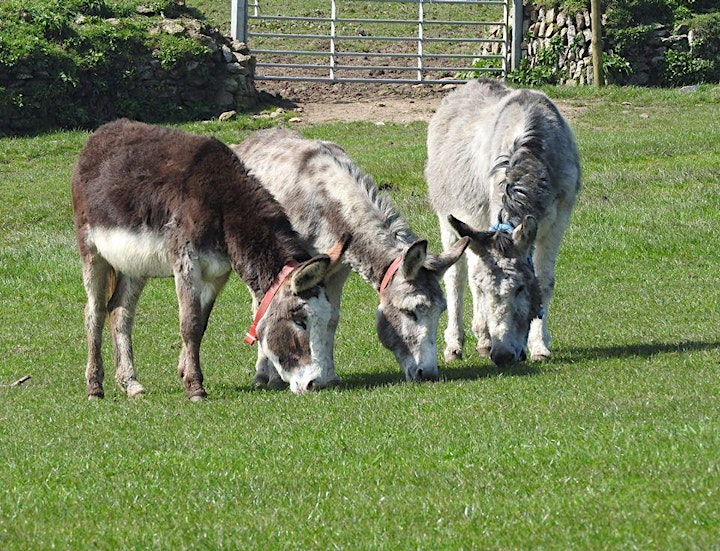
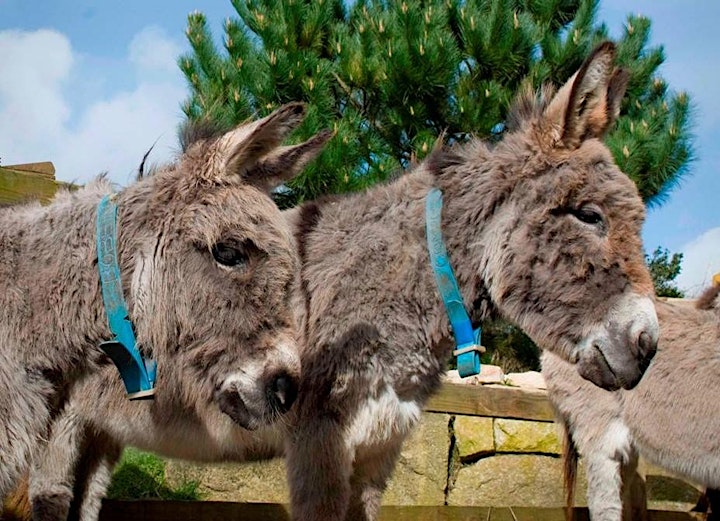
		Flicka Donkey Sanctuary Talk & Tour image

About the day

Please join us at Flicka at 13:50, car parking is available on site. At 2pm the Flicka team will introduce us to some of the donkeys at the sanctuary and share their stories about both the individuals and the sanctuary.

At the sanctuary, donkeys have been rescued from conditions of abuse and neglect. The sanctuary provides them with a safe and caring home for life.

You can find out more about The Flicka Donkey Sanctuary on their website: https://www.flickafoundation.org.uk/

All images used on this page are from The Flicka Foundation website.


		Flicka Donkey Sanctuary Talk & Tour image

Donations

All proceeds of this event will go to The Flicka Donkey Sanctuary.

Any additional donations can be made to the Sanctuary on the day.

Keep an eye out for more events on our website: www.cornwallsciencecommunity.org

If you have any questions please contact us at: info@cornwallsciencecommunity.org

Cafe Sci

Conserving Amazing Apes and Cryptic Cats: Tales from Indonesian Borneo

Wednesday, 17th November 2021 at 6pm. Register your interest HERE.

A virtual talk by Dr Susan Cheyne, co-director of Borneo Nature Foundation.

About this event

Dr Susan Cheyne has worked in South East Asia since 1997 and in Indonesia since 2002. She received her PhD from the University of Cambridge on primate ecology and conservation looking into the illegal pet trade of gibbons and studying the rehabilitation and reintroduction successes of these threatened apes. As a co-director of Borneo Nature Foundation International, she leads a team working on the conservation of primates and wild cats using camera trap technology to understand the movement, distribution and conservation status of these threatened cats.

How to Register

This event has been organised in collaboration with and is hosted by the Royal Society of Biology: Devon and Cornwall Branch.

For this event only, please register through the RSB website here.
The event is free to attend, although you will need to register for an RSB account in order to sign up. Please note that you will receive a Zoom link to join the event immediately before the talk.
Please get in touch if you have any issues or questions about registration.

Cafe Sci

The Battle that saved Cornwall

Wednesday, 2nd June at 5:30 pm.

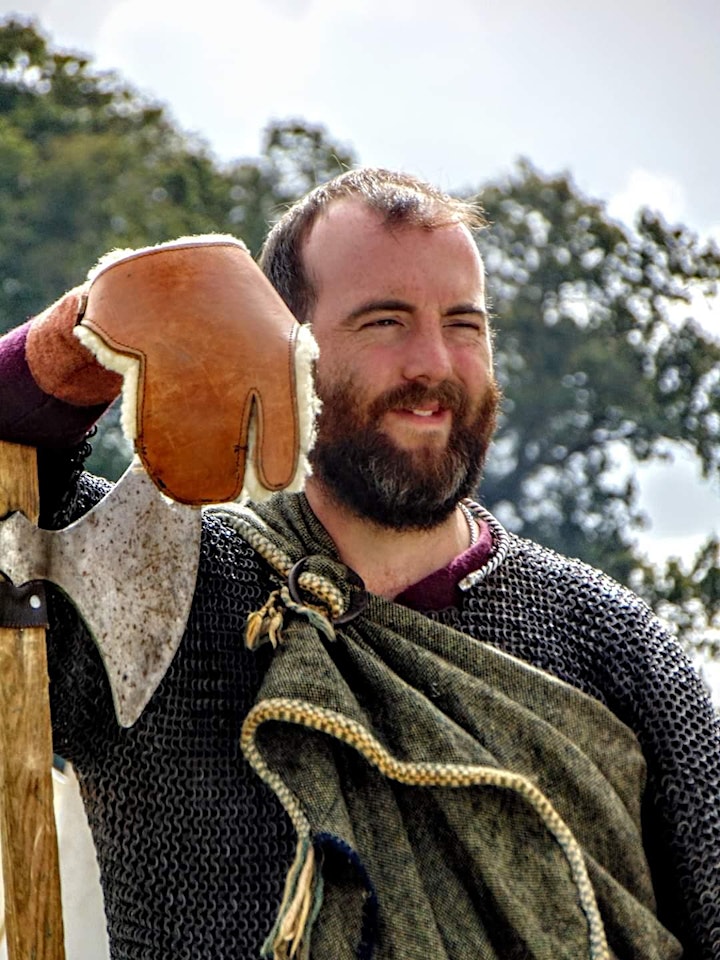
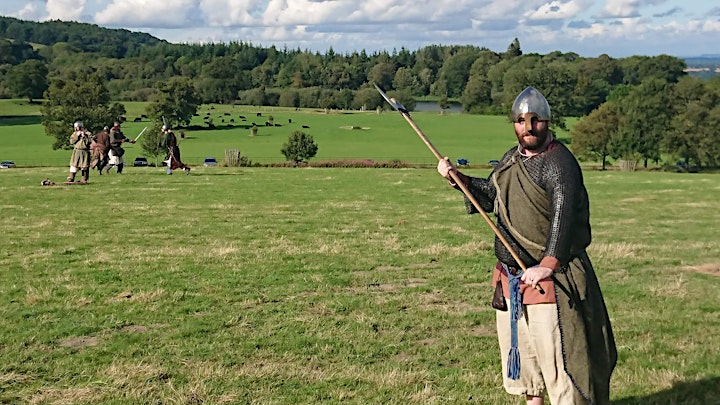
John Fletcher will be discussing the Battle of Hehil and the emergence of the Early Medieval Cornish State.


		Virtual Café Sci | The Battle that Saved Cornwall image

About the talk

During the Summer of 722 the invading army of Saxon Wessex was met by a force of Native Britons at a place called Hehil. Despite a string of earlier victories this time the Saxons were defeated and forced into retreat, marking the start of a century of prolonged conflict that would serve to protect and preserve not only the Kingdom of Kernow but also the unique culture, language, and heritage of the Cornish.

This talk will aim to put the battle in its proper context by looking at the wider period and events, while also touching on the factors that have kept it, and other aspects of Early Medieval Cornwall, relatively unknown.


		Virtual Café Sci | The Battle that Saved Cornwall image

About our speaker – John Fletcher

John Fletcher has spent sixteen years recreating the life, crafts and combat of Early Medieval Britain as a reenactor. For much of that time his focus has been on the history of Cornwall and the South West after moving to the region in 2006 to attend the University of Plymouth and remaining there ever since. He is the chairman of the Hehil 1300 Committee who are seeking to put on a Festival of Cornish Heritage to commemorate 1300 years since the eponymous Battle.

Not a trained historian, John has a BSc in Environmental Sciences and completed his dissertation studying Climate Change on Early Medieval Dartmoor.


		Virtual Café Sci | The Battle that Saved Cornwall image
Cafe Sci

The Science Soap Box: February 2021

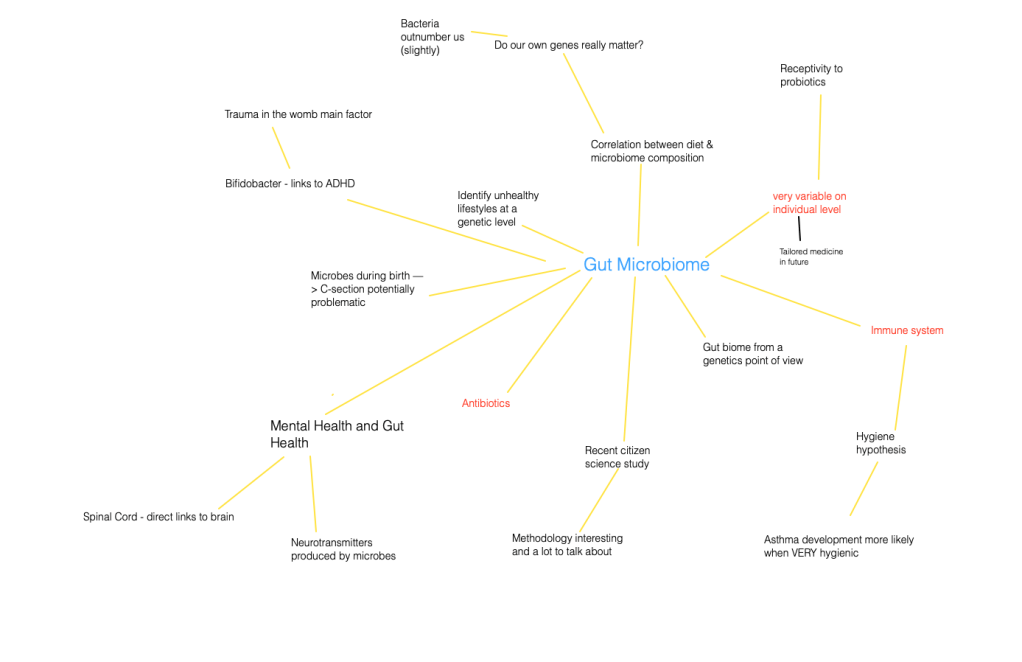
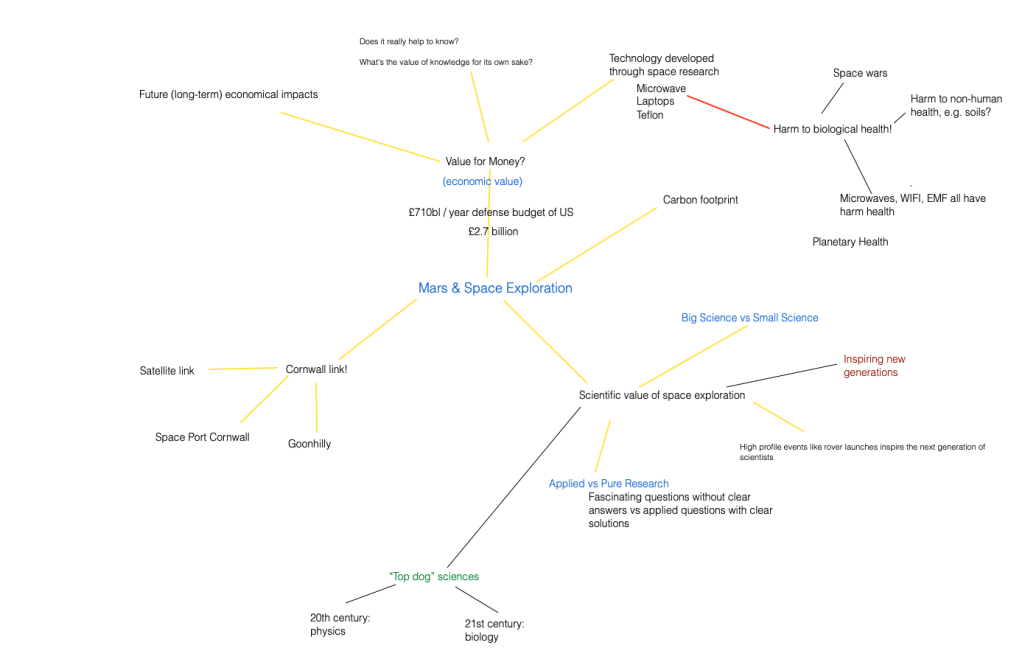
This event took place on the 24th February 2021, 5:30pm. See below for a short summary of our discussions.

We started talking about the gut microbiome, and how it impacts many aspects of our life.
We finished with a completely different topic – the recent Mars rover landing and the worth of space exploration.

Join us for another Science Soapbox where you can join the discussion about the science that is important to you.

Do you have a topic you would like to discuss at The Science Soapbox? We have one example lined up:

Ground-breaking new research on the genetics of the human gut biome suggests powerful new insights on diet, health, and environments.

We could be discussing this new research, exploring the science behind the headline conclusions; and the further questions it raises about DNA, science, health and society.

But what about YOU?


		The Science Soap Box image

Introducing The Science Soap Box

What science-related story has caught your eye over the past year?

What seems to you really important?

This week, instead of Virtual Cafe Sci, we are opening up this space to all you, our audience, to have your say on any science-related item that you’ve found especially interesting, whether in the news, in the journals, or on the web.

You can tell us briefly, in the chat box, what you found; and why you think it matters; and we will then give you time on screen to make the case for why we should all be interested too.

After that, as with all our evenings, we will open the discussion to everyone else, to comment or ask questions – and so you may get the chance to expand and say more.


		The Science Soap Box image
Cafe Sci

Virtual Café Sci | The Science behind Forest Bathing | Paul Simmons

Wednesday, 20th January 2021

Paul Simmons will be discussing 40 years of research into the Japanese forest therapy of shirin-yoku or forest bathing.

About the talk

The talk is about the results of 40 years research into the Japanese forest therapy of shinrin-yoku or forest bathing and why it is so important for our psychological and physiological well-being with an almost universal acceptance of the need to reconnect to nature.

About our speaker – Paul Simmons

Paul Simmons has an MA in Cornish Studies and is embarking on a PhD about utilizing the Rights of Way network to help mitigate the effects of the climate and ecological emergency in a low carbon economy.

He has had a walking company for the past 20 years and is a practitioner of shinrin-yoku.

Arts Well

We are running this joint event with Arts Well. They play an important role for championing the arts and creativity in promoting health and wellbeing.

You can find out more about Arts Well here.